

Exploring the Science Behind Pool Epoxy Coating Services
Swimming pools are constantly exposed to water, chemicals, sunlight, temperature changes, and regular use, making their interior surfaces vulnerable to gradual wear. Over time, a pool surface may become faded, stained, rough, or difficult to maintain. Epoxy coatings are one option used to restore and protect certain pool surfaces by creating a durable layer that bonds to the prepared substrate. Understanding how these coatings work can help property owners appreciate why preparation, chemistry, curing conditions, and application techniques all matter. Professional epoxy coating services rely on more than simply applying paint to a pool. The process involves surface evaluation, material compatibility, controlled chemical reactions, and careful application to create a finish designed to withstand a demanding underwater environment.
Understanding How Epoxy Chemistry Works
Epoxy coatings are created through a chemical reaction between two primary components: an epoxy resin and a hardener. When these materials are mixed in the proper proportions, they begin reacting with one another and gradually transform from a liquid coating into a hardened surface. This process is known as curing. Unlike coatings that simply dry when a solvent evaporates, epoxy develops its strength through this chemical reaction. The exact formulation can influence characteristics such as hardness, flexibility, adhesion, and resistance to moisture or chemicals.
Professional epoxy coating services depend on accurate mixing because the resin and hardener must react correctly for the coating to perform as intended. If the proportions are incorrect or the components are not thoroughly combined, the surface may remain soft, cure unevenly, or fail to achieve the desired durability. Once mixed, epoxy also has a limited working period before it begins to harden. Installers therefore need to understand both the chemistry and timing of the product so the material can be applied consistently before its usable working time expires.
Preparing Surfaces for Stronger Adhesion
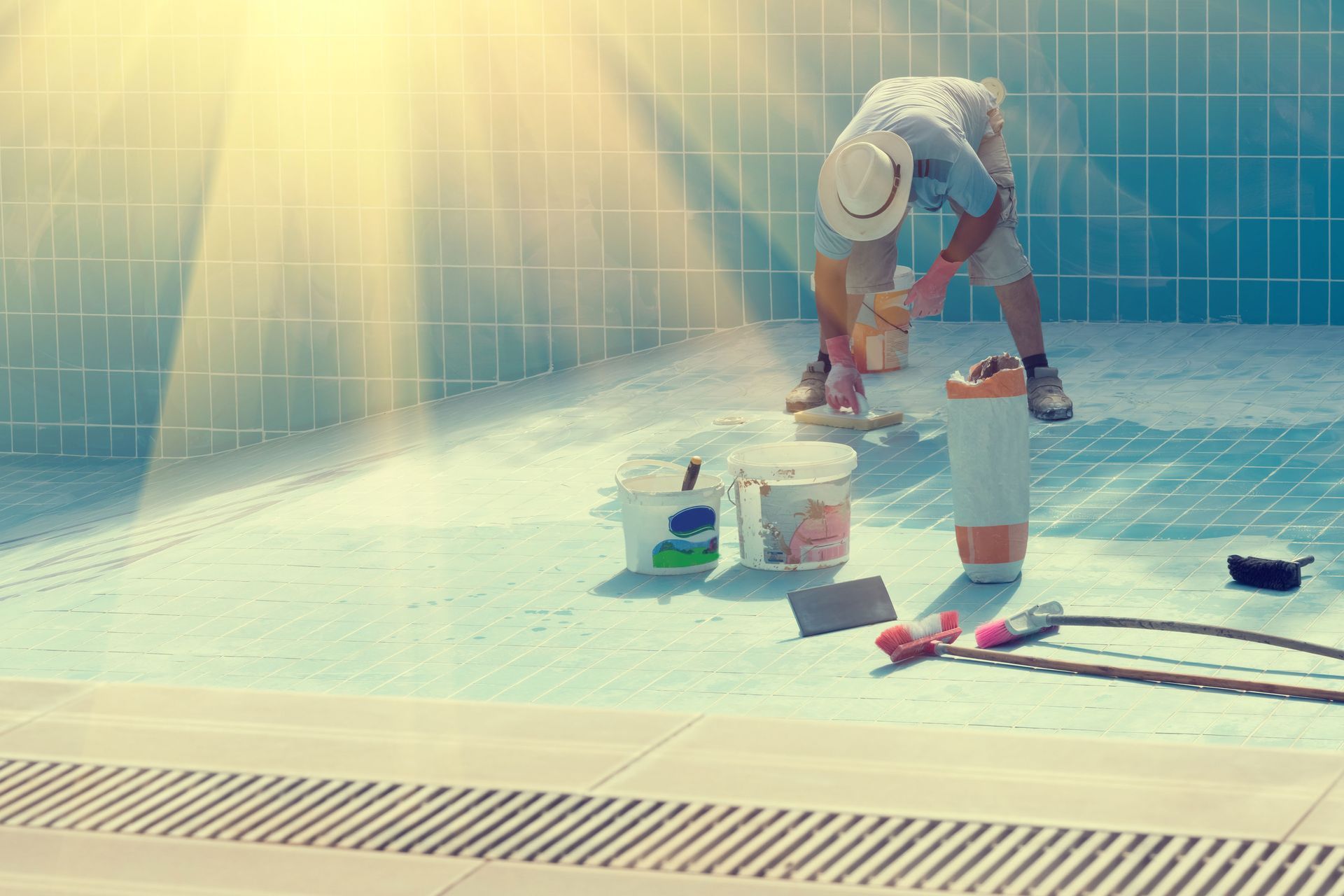
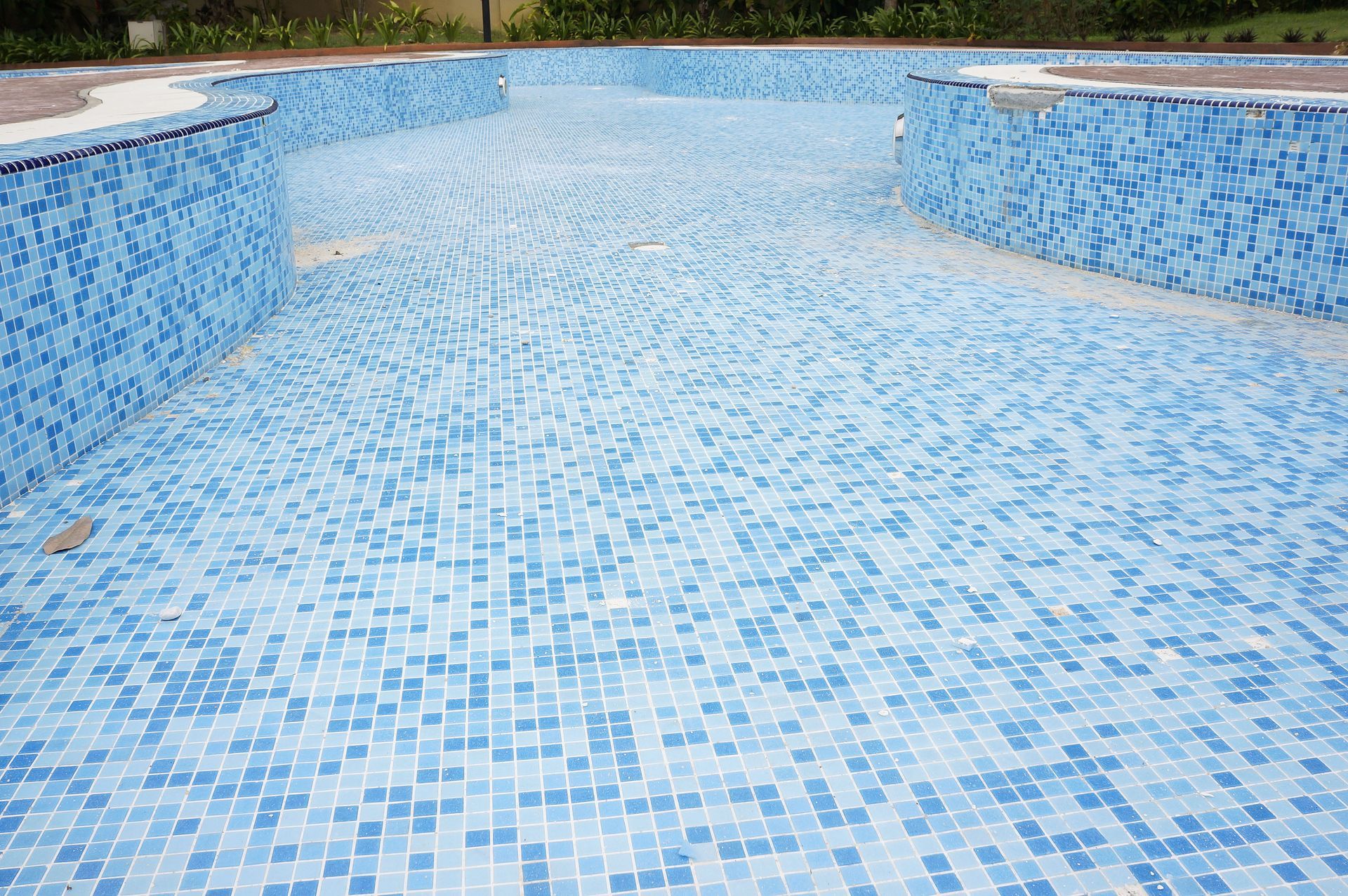
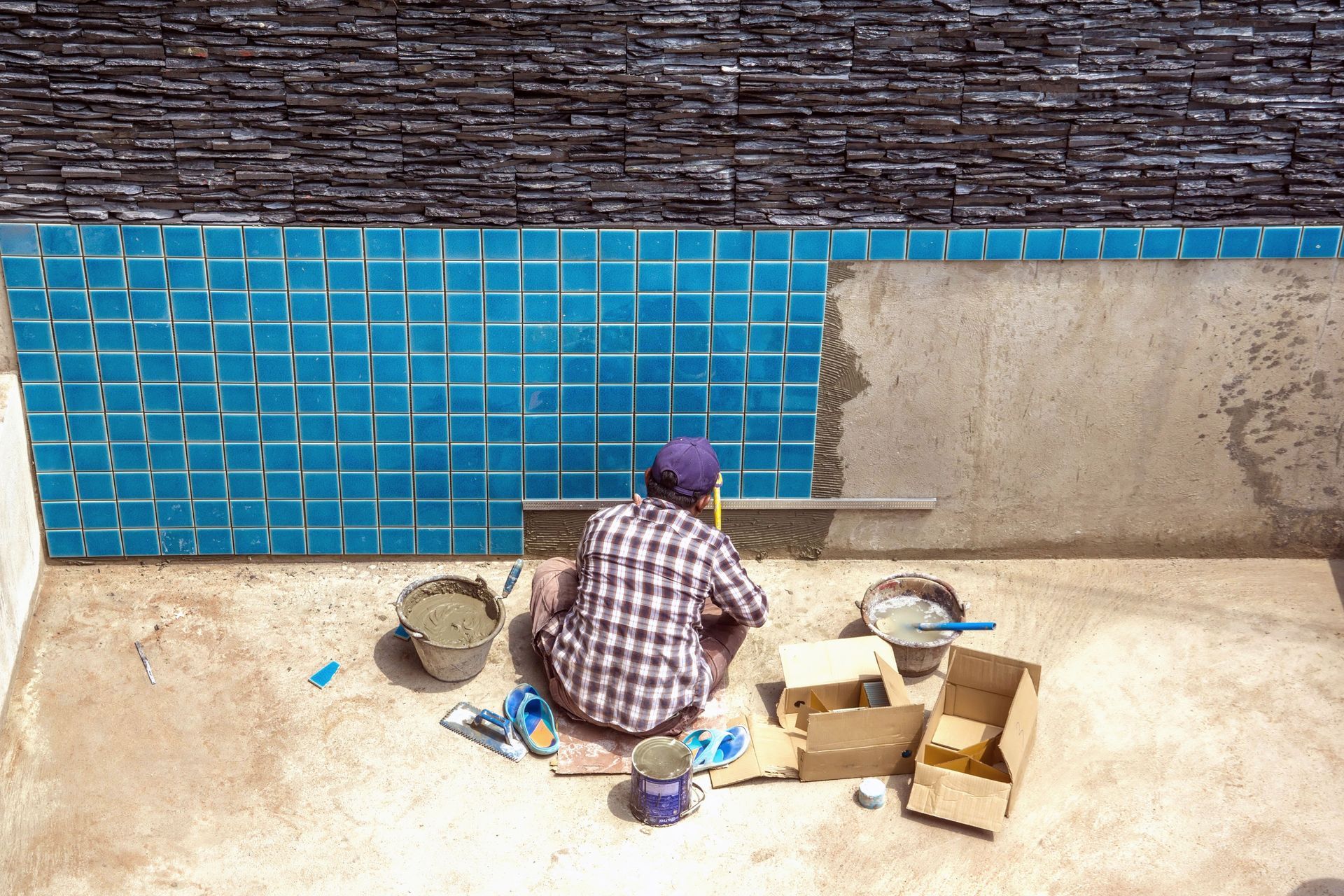
Adhesion is one of the most important scientific principles involved in applying a pool coating. Epoxy must bond securely to the existing surface rather than simply resting on top of dirt, oils, loose material, or deteriorated coatings. Contaminants can create a barrier between the epoxy and the substrate, increasing the likelihood of peeling or separation. Surface preparation may therefore involve draining the pool, cleaning it thoroughly, removing unstable material, and addressing residues or buildup that could interfere with bonding.
Epoxy coating services may also involve creating the appropriate surface profile before the coating is applied. A surface that is excessively smooth may provide less opportunity for the material to form a strong mechanical bond, while damaged or unstable surfaces may require repairs first. Depending on the existing finish and condition, preparation methods can vary. Careful evaluation helps determine what needs to be cleaned, repaired, removed, or roughened so the new coating has a suitable foundation. The science of adhesion makes this preparation just as important as the coating itself.
Managing Temperature During the Curing Process
Temperature affects the rate at which epoxy cures because chemical reactions generally speed up or slow down depending on environmental conditions. Warmer temperatures may shorten the amount of time installers have to work with mixed material, while cooler conditions can delay curing. Extreme temperatures may also affect how easily the coating spreads or how consistently it forms a film across the surface. Product manufacturers typically provide recommended temperature ranges to help installers achieve predictable results.
Timing becomes especially important when coating a large pool because installers need enough working time to maintain a consistent application. If epoxy begins curing too quickly, it may become difficult to blend sections smoothly or maintain an even thickness. If temperatures are too low, the coating may take longer to harden before additional coats or water exposure are appropriate. Understanding the relationship between temperature and curing allows installers to plan the project around both the material's specifications and the environmental conditions at the pool site.
Building Durability Through Multiple Layers
Epoxy coatings are often applied as a system rather than as one unusually thick layer. Depending on the product and pool condition, the process may involve primers, base coats, or additional coats applied within specific time periods. Multiple layers can help create a more uniform film and ensure adequate coverage across the surface. Each layer must interact properly with the one beneath it, which means timing and surface condition remain important throughout the application process.
Epoxy coating services also require attention to film thickness. Applying too little material may leave insufficient protection, while applying too much at once can affect curing or surface quality. Professional applicators use manufacturer recommendations to determine appropriate coverage rates and application methods. According to DiMarket, epoxy pool paints generally include warranties lasting between five and ten years. Actual performance can depend on factors such as surface preparation, water chemistry, application conditions, product quality, and maintenance, making careful installation important for supporting the coating's expected service life.
Resisting Water and Pool Chemicals
Once fully cured, an epoxy coating forms a dense surface designed to tolerate prolonged contact with water. This is important because pool interiors remain submerged for extended periods and are repeatedly exposed to chemicals used to maintain water quality. Chlorine, sanitizers, pH adjustments, and other treatments create an environment that can be demanding on surface materials. The coating must maintain adhesion and integrity while resisting repeated chemical exposure and normal changes in water conditions.
The protective qualities of epoxy also depend on keeping pool chemistry within appropriate ranges. Even durable materials can experience additional stress when water chemistry remains significantly unbalanced for long periods. Improper chemical concentrations can contribute to discoloration, deposits, staining, or deterioration of different pool components. Maintaining the water properly after the coating cures can therefore support the longevity of the finish. The coating provides protection, but routine pool maintenance remains part of preserving its appearance and performance.
Creating a Smoother and More Uniform Finish
One of the visible results of a properly applied epoxy system is a more consistent pool interior. Older surfaces may develop discoloration, staining, patched areas, or uneven textures that make the pool look worn. A new coating can create a continuous finish across prepared areas, helping unify the appearance. Color selection can also influence how the pool water looks because lighter, darker, or differently toned surfaces reflect and absorb light in distinct ways.
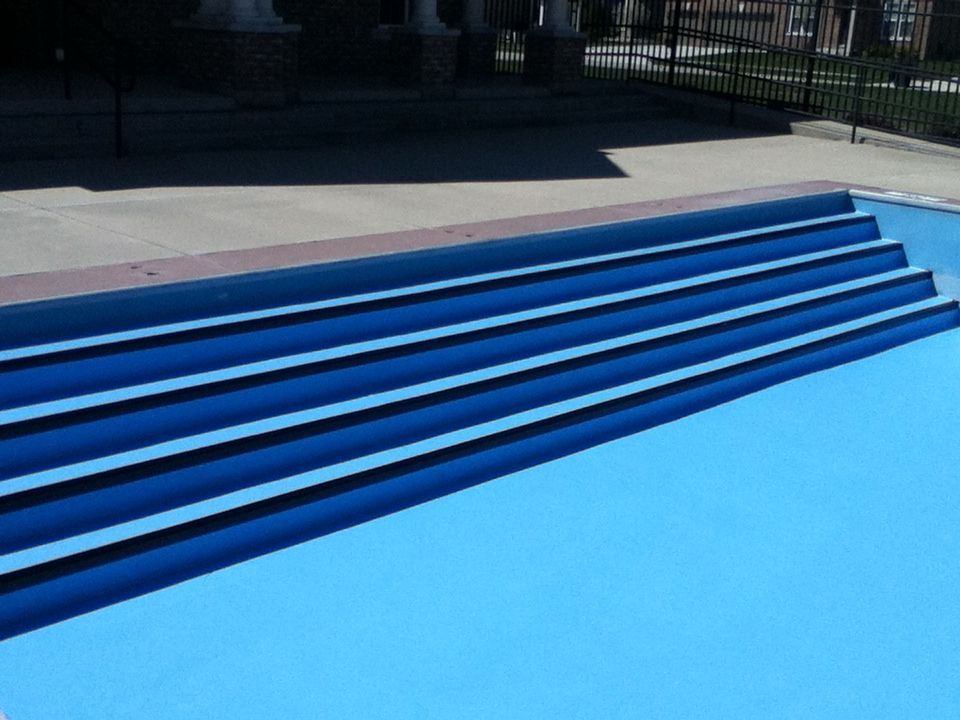
The final appearance depends heavily on application technique. Rollers, brushes, or other tools may be used depending on the product and surface, but installers must control coverage, overlap, and thickness to minimize visible inconsistencies. Epoxy coating services also require careful attention around steps, corners, drains, fittings, and other details where application may be more difficult. A smooth finish is not simply the result of the material itself. It depends on preparation, correct mixing, environmental control, and consistent workmanship throughout the project.
The science behind pool epoxy coatings involves much more than selecting a color and applying a new surface. Chemical reactions determine how the material cures, while surface preparation influences adhesion, and moisture conditions affect how well the coating bonds. Temperature controls curing speed, appropriate film thickness contributes to durability, and proper water chemistry helps protect the finished surface after the pool returns to use. Professional
epoxy coating services bring these factors together through careful evaluation, preparation, mixing, application, and curing. Understanding the process can help pool owners recognize why each stage matters and why shortcuts can affect the finished result. If your pool surface is showing signs of wear and you want professional guidance on coating options, contact American Clean & Seal.
Share On: