

Why Choose Epoxy Pool Paint to Finish Your Swimming Pool
Maintaining a swimming pool involves several critical steps, with the choice of finish being especially important. A high-quality finish not only enhances the pool's visual appeal but also extends its lifespan. Among the available options, epoxy pool painting is a top choice for its durability, versatility, and aesthetic appeal. This article explores its benefits, applications, and best practices for achieving a long-lasting, beautiful pool finish. Understanding the value of a reliable coating can save time, money, and effort over the years, making it a worthwhile investment for any pool owner. Beyond protection, epoxy coatings also elevate the overall swimming experience, creating a more inviting and visually pleasing environment for family and guests, while contributing to the overall value of the property.
Understanding Epoxy Pool Painting
What is Epoxy Paint?
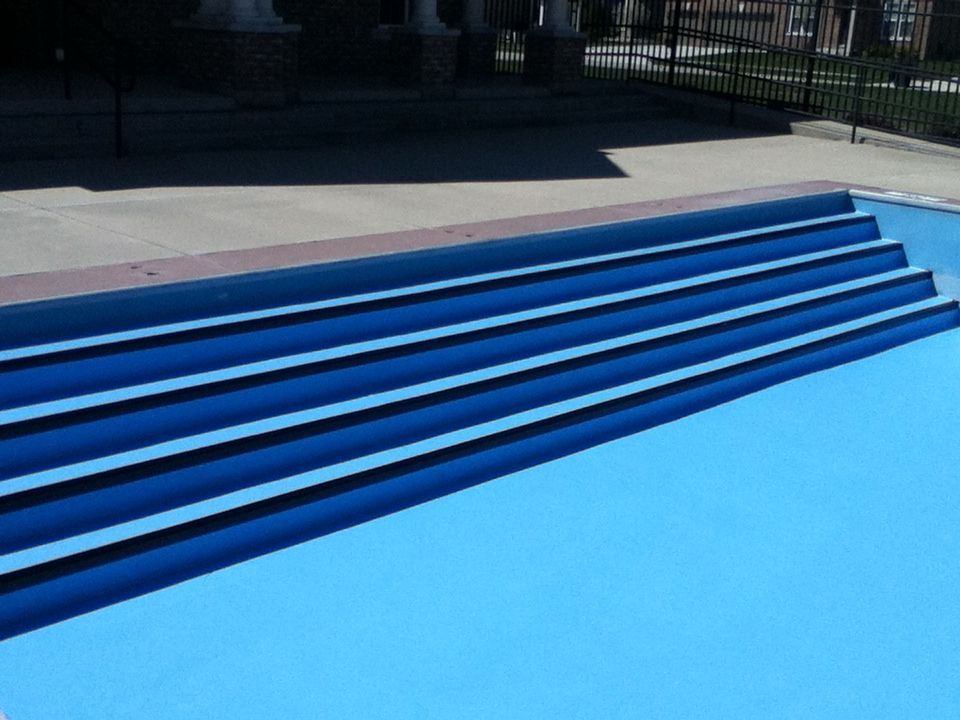
Epoxy paint is a coating made from epoxy resin, a hardener, and additives that cure to form a hard, durable surface. In pools, it acts as both a protective and decorative layer, safeguarding the surface from water damage while providing an attractive finish. Its high bonding strength makes it ideal for surfaces exposed to harsh conditions, creating a seamless barrier against water, chemicals, and UV exposure. Epoxy pool painting can transform the appearance of an aging pool, giving it a renewed, modern look that lasts for years and can significantly enhance the overall pool ambiance.
Epoxy pool painting is versatile, suitable for plaster, concrete, and fiberglass. Its smooth, glossy finish enhances pool aesthetics while offering practical benefits, which explains its popularity among residential and commercial pool owners. By choosing epoxy, pool owners can combine beauty with performance, ensuring their pool remains both functional and visually appealing. Additionally, the long-lasting finish minimizes the effort required for ongoing maintenance, making it easier to keep the pool pristine and enjoyable throughout the year.
Composition and Properties
Epoxy paint forms a cross-linked solid film when the epoxy resin reacts with the hardener, resulting in a strong, adherent coating. This cured layer prevents water penetration and withstands long-term wear. According to DiMarket, epoxy pool paints offer excellent protection against chemicals, UV rays, and abrasion, reinforcing their suitability for pool applications.
In addition, epoxy paints resist fading, chalking, and cracking. Available in many colors and textures, they allow customization while maintaining durability—key reasons for their widespread adoption in pool maintenance. The combination of protective and aesthetic qualities makes epoxy pool painting a preferred solution for both small backyard pools and large commercial installations. Its ability to maintain a fresh, high-quality appearance over time adds to the overall satisfaction of pool ownership.
Epoxy vs Other Pool Paints
Compared to acrylic or rubber-based paints, epoxy pool painting provides superior durability and chemical resistance. While acrylic paints are budget-friendly, they require frequent reapplication. Rubber-based paints resist some chemicals but degrade faster under UV exposure. Epoxy's curing process creates a dense, glossy finish that ensures long-term protection and consistent appearance, making it a smart investment for pool owners prioritizing longevity. The additional benefits of reduced maintenance, enhanced water clarity, and sustained vibrancy further distinguish epoxy from other paint types, offering peace of mind and added value over the years.
Common Pool Applications
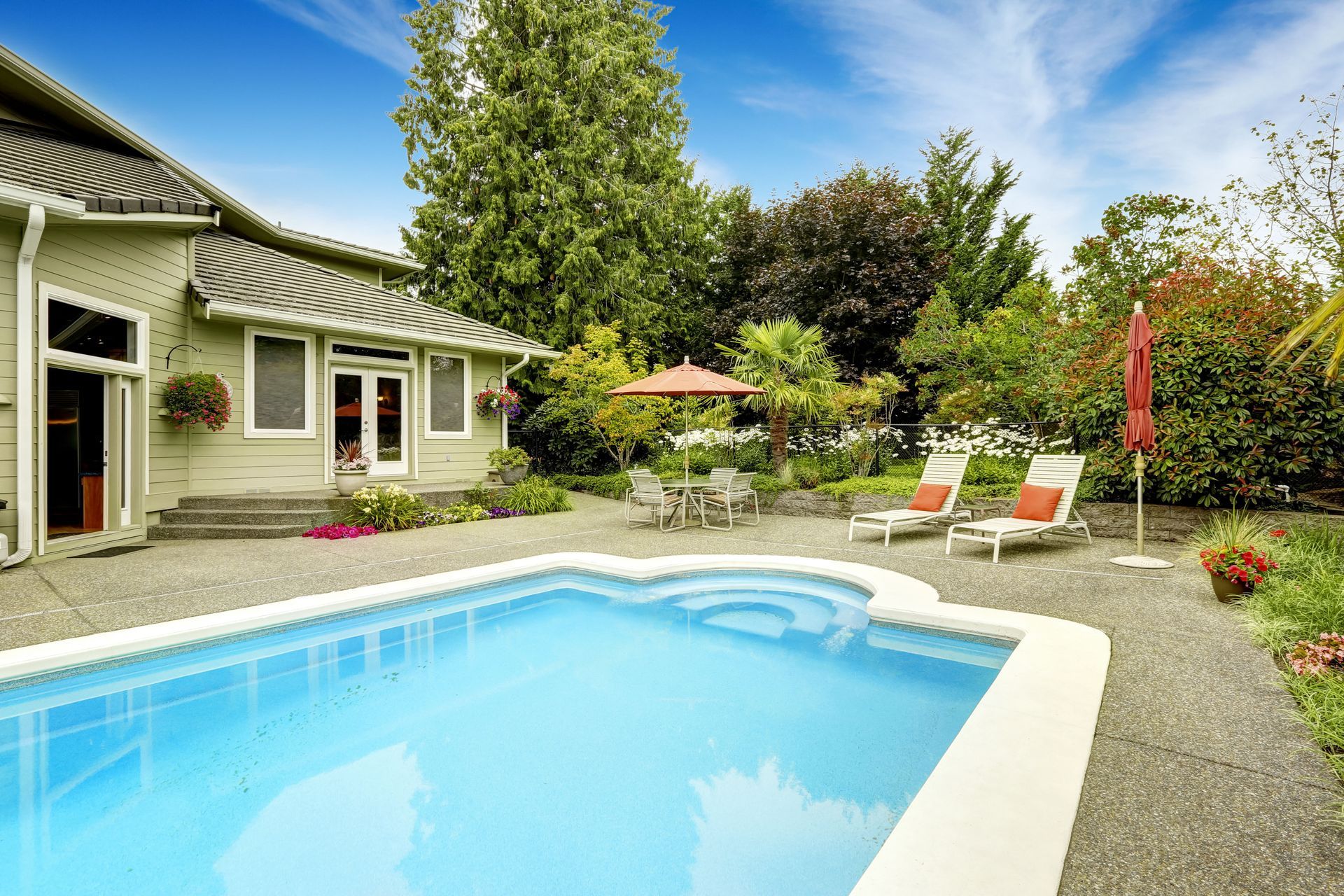
Epoxy pool painting is used in residential, commercial, and public pools, including in-ground, fiberglass, and above-ground designs. Residential pools benefit from aesthetic flexibility, while commercial pools gain from durability and reduced maintenance. Its chemical resistance also makes epoxy ideal for water parks and aquatic facilities, where heavy use and chemical exposure are common. In every setting, epoxy paint delivers both functional and visual benefits, reinforcing its status as the leading choice for pool coatings. Moreover, the paint contributes to a safer swimming environment by reducing surface wear and potential hazards caused by uneven coatings.
Longevity and Durability
The strength of epoxy pool painting lies in its ability to endure demanding conditions. High-quality epoxy finishes can last five to ten years, especially when properly maintained. Its chemical structure provides a protective layer against temperature fluctuations, water, chemicals, and physical abrasions. This reduces reapplication frequency and long-term costs.
Epoxy paints resist peeling, cracking, and fading, keeping pools aesthetically appealing. Their non-porous surfaces are less prone to algae growth, simplifying cleaning and maintenance. These characteristics underscore why epoxy pool painting is a preferred choice for long-term pool refinishing. Pool owners also benefit from consistent water clarity and a surface that remains smooth and visually vibrant over time. Its durability also allows pool designs and color schemes to retain their intended look for many seasons, maximizing both enjoyment and property value.
Benefits of Epoxy Pool Painting
Waterproofing Capabilities
One of the most notable advantages of epoxy pool painting is its exceptional waterproofing. Once cured, the coating forms an impermeable barrier that protects the pool structure from leaks and water damage. This reduces repair costs and extends the lifespan of concrete, metal, and other pool materials.
Additionally, the waterproof surface prevents dirt, oils, and contaminants from penetrating, making routine cleaning easier and more efficient. Pool owners benefit from a more manageable maintenance schedule. In many cases, this barrier also contributes to improved chemical balance and reduces the effort required to maintain clean, clear water. It also helps preserve the integrity of the pool infrastructure over time, supporting overall safety and functionality.
Chemical Resistance
Pools require regular chemical treatments for sanitation, which can damage less resilient coatings. Epoxy pool painting resists these chemicals, preserving both surface integrity and appearance. Its dense film minimizes interaction between water chemicals and the coating, preventing discoloration and surface damage.
UV and Weather Resistance
Exposure to sunlight and weather can degrade outdoor pool surfaces, causing fading and wear. Epoxy pool painting contains UV stabilizers that maintain color and finish over time. Its robust composition also withstands temperature changes and atmospheric conditions, keeping the pool surface structurally and visually intact.
Ease of Maintenance
The non-porous surface created by epoxy pool painting simplifies cleaning. Algae and dirt have minimal adhesion, and the smooth finish allows for easy removal of debris with gentle brushing or washing. This reduces the need for harsh chemicals, saving time, effort, and resources while keeping the pool hygienic and visually pleasing. The minimal maintenance requirement also makes epoxy a convenient choice for busy households or commercial facilities.
Color and Finish Versatility
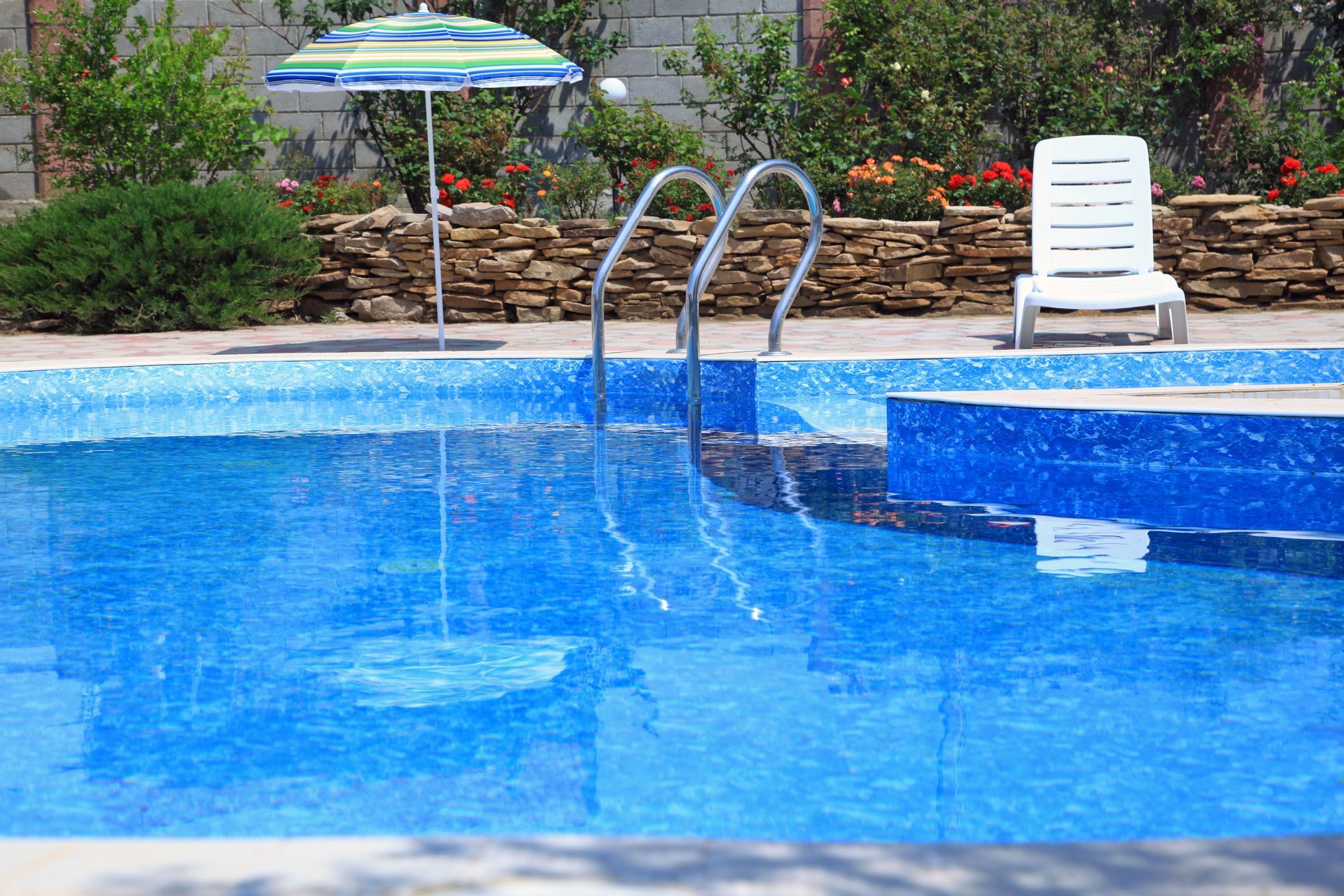
Epoxy paints are available in various colors and textures, allowing pool owners to customize the look according to personal or commercial preferences. Its glossy, reflective finish highlights the pool's water and adds depth, creating a sophisticated aesthetic. Whether for residential luxury or commercial branding, epoxy pool painting offers ample design flexibility and reliable performance. The variety of finishes allows owners to create unique visual effects that complement surrounding landscapes and architectural features. These aesthetic options can elevate the overall atmosphere of outdoor spaces, enhancing the experience for swimmers and guests alike.
Cost Effectiveness
Initial Investment
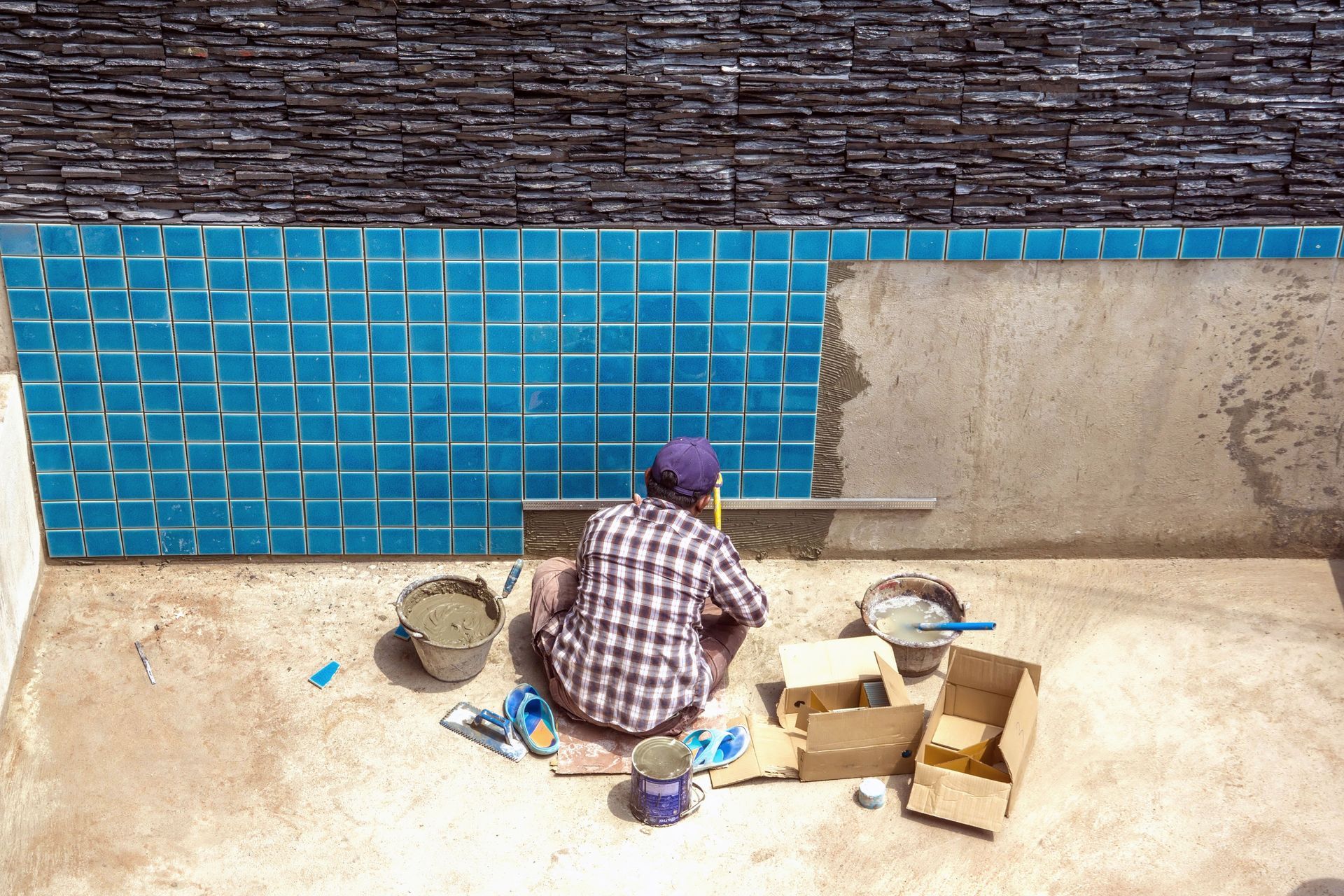
Epoxy pool painting requires a higher initial investment due to premium materials, specialized tools, and labor. However, its durability, chemical and UV resistance, and longevity offset these upfront costs. The reduced need for frequent repainting and repairs provides value for money, making it a wise investment for long-term pool maintenance. The initial expense is balanced by the long-term benefits of fewer repairs, less downtime, and a consistently attractive pool environment.
Longevity Benefits and Cost Savings
Epoxy pool painting offers significant long-term savings. Its extended lifespan reduces repainting frequency, maintenance costs, and cleaning efforts. Chemical and environmental resistance further minimizes damage-related expenses.
By investing in epoxy, pool owners enjoy reliable performance, consistent water clarity, and a visually appealing pool with minimal upkeep. Overall, the investment ensures durable protection, aesthetic appeal, and cost efficiency for years to come, making epoxy a practical and attractive solution for pools of all sizes and types. For more information, contact American Clean & Seal.
Share On: