

6 Reasons Pool Refinishing Can Extend the Life of Your Pool
Swimming pools serve as primary centers for recreation, exercise, and relaxation for households across the country. Over years of direct exposure to intense sunlight, seasonal temperatures, and chemical sanitizers, pool surfaces gradually undergo physical deterioration. Regular brushing and vacuuming help maintain surface cleanliness, yet routine chores cannot reverse underlying plaster decay or concrete fatigue. Investing in professional pool refinishing provides an essential remedy that stabilizes the structural basin, protects raw building materials, and revitalizes the entire swimming environment.
A deteriorating pool surface invites progressive complications that extend well beyond superficial blemishes. Coarse patches harbor stubborn organic matter, hairline fractures permit moisture migration into the sub-base, and chalking layers place unnecessary burdens on circulation systems. Comprehensive restoration resolves these vulnerabilities by removing degraded layers, repairing substrate defects, and applying resilient coatings engineered for continuous aquatic submersion. Property owners who understand the functional value of regular restoration ensure their recreational spaces remain dependable, attractive, and sound through decades of seasonal use.
1. Strengthen Walls and Floors
The primary job of any swimming pool structure is containing hydrostatic pressure while resisting movement from surrounding soils. Continuous contact with treated water causes porous concrete and aged plaster to lose density, producing microscopic fractures across walls and floors. If property owners leave these early signs of degradation unaddressed, moisture penetrates deep into structural masonry, corroding internal reinforcement bars and creating expansive cracks. Professional surface preparation and coating removal strip away compromised materials to reveal the sound substrate underneath, establishing a clean baseline for restorative work.
Applying specialized aquatic coatings over a prepared substrate seals the basin against moisture penetration and reinforces the overall shell. Modern epoxy formulas create a continuous, non-porous barrier that bonds tightly to concrete, preventing water from seeping into hidden fissures. This cohesive layer absorbs ground vibrations and accommodates seasonal freeze-thaw cycles without chipping or flaking. By locking out moisture and fortifying interior boundaries, pool refinishing reinforces the structural core of the facility, allowing walls and floors to withstand physical pressures for decades.
2. Restore Color and Texture
Sunlight, chlorine, and dissolved minerals take an inevitable toll on the visual appeal of swimming pool interiors. Over continuous seasons of use, plaster surfaces suffer from sun bleaching, localized mottled staining, and abrasive scaling. These blemishes make the water appear cloudy and give the outdoor living space an aged, unkempt presentation. Applying durable epoxy swimming pool paint eliminates mottled discoloration and covers persistent mineral stains, producing a uniform, glossy finish that mirrors the visual clarity of pristine water.
Beyond reviving visual beauty, renewing pool surfaces improves the sensory experience for every swimmer. According to RubyHome, roughly 36% of children and 15% of adults swim in a pool at least six times each year. A welcoming and well-kept swimming environment encourages families to make full use of their recreational amenities during warm weather. Through intentional pool refinishing, homeowners replace abrasive, weathered walls with smooth surfaces and custom shades that coordinate with surrounding patios, transforming outdoor spaces into refreshing retreats.
3. Minimize Slips and Hazards
Swimmer safety remains the paramount responsibility for any pool owner, particularly in active households with young children and older guests. Years of chemical erosion often leave underwater surfaces rough and pitted, creating coarse textures that scrape delicate skin during routine play. Similarly, crumbling coping edges and delaminating plaster layers produce jagged transitions that risk cuts and abrasions. Skilled technicians repair these broken areas, rounding off rough transitions and patching damaged concrete to guarantee a smooth, snag-free basin.
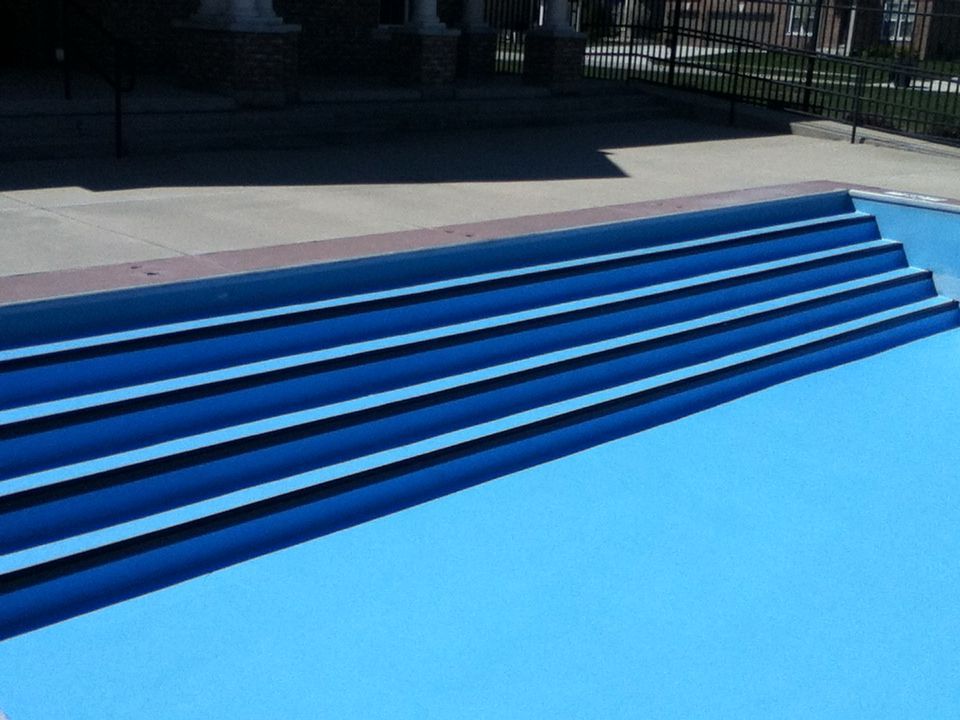
In addition to smoothing abrasive walls, modern coating techniques enhance foot traction along vital transit points. High-traffic areas such as entry steps, shallow sun shelves, and swim-out benches can become slick when coated in natural biofilms or smooth algae layers. Incorporating textured aggregates into aquatic epoxy applications provides secure footing without compromising comfort underfoot. By eliminating jagged contours and installing non-slip surfaces in strategic areas, pool refinishing creates a secure environment that meets safety standards and protects swimmers from preventable injuries.
4. Enhance Clarity and Circulation
Maintaining balanced water chemistry and crystal-clear clarity requires consistent circulation and effective filtration throughout the entire pool vessel. Deteriorated plaster surfaces are inherently porous, acting like abrasive sponges that trap suspended dirt, body oils, and environmental pollen. When fine particulates lodge within surface micro-crevices, mechanical filtration systems cannot draw them toward main drains and skimmers. A newly applied epoxy coating establishes an ultra-smooth finish that allows water to glide across boundaries, keeping suspended particles moving toward filtration media.
Smooth surfaces also eliminate the unwanted chemical interactions that frequently disrupt daily water balance. Aged plaster continually leaches calcium hydroxide into the water column, causing upward pH drift that demands constant chemical buffering. This unstable chemical environment clouds pool water, reduces sanitizer efficiency, and promotes premature surface scaling. Because high-grade epoxy forms an inert, impermeable seal over underlying masonry, pool refinishing locks in calcium compounds and stabilizes baseline water parameters, making everyday chemical balancing straightforward and dependable.
5. Inhibit Algae and Bacteria
Algae infestations present a continuous challenge for outdoor pool management, turning clear water into an uninviting green haze. Microscopic algae spores and pathogenic bacteria thrive inside the rough crannies, micro-pores, and small cracks of degrading pool plaster. Once organic colonies secure a foothold deep inside porous masonry, standard shock treatments and algaecides often fail to eradicate root systems hidden beneath the surface layer. Persistent blooms require aggressive manual scrubbing and substantial sanitizer doses to keep water clear.
Resurfacing with an advanced epoxy coating eradicates the physical crevices that micro-organisms need to establish colonies. The dense, seamless surface acts as an impenetrable shield that prevents spores and bacteria from embedding into concrete substrates. Routine brushing easily sweeps away transient debris before organic matter can decompose or bind to interior walls. Through systematic pool refinishing, owners establish a hygienic environment that keeps biological contaminants at bay and provides clean, sparkling water for family recreation throughout the entire swim season.
6. Facilitate Upgrades and Efficiency
A comprehensive restoration project provides the perfect operational window to assess, repair, and protect integral mechanical components. Loose plaster grains, deteriorating aggregate, and chalking paint shed abrasive grit into circulation lines, where particles erode pump impellers and clog filter manifolds. Resurfacing stabilizes interior finishes and stops debris shedding at the source, shielding vital circulation hardware from unnecessary mechanical wear. Technicians can simultaneously inspect main drains, replace return fittings, and seal skimmer faceplates to ensure unified system integrity.
Modern resurfacing materials also complement eco-friendly pool care practices and improve hydraulic efficiency across the entire filtration loop. Smooth surfaces reduce frictional drag along floor inclines and wall corners, allowing standard pumps to circulate water volumes with diminished mechanical resistance. Non-reactive epoxy coatings allow seamless integration with multi-speed pumps and advanced filtration setups without surface degradation. Executing timely pool refinishing preserves the operational lifespan of mechanical equipment while supporting a sustainable, low-impact aquatic setup.
Sustaining a swimming pool as a safe, beautiful, and enduring centerpiece of residential living requires dedicated attention to structural health. Over time, environmental weathering, chemical exposure, and constant water contact degrade unprotected plaster and concrete surfaces. Routine maintenance tasks preserve water clarity week to week, yet only comprehensive pool refinishing resolves underlying structural vulnerabilities, eliminates hazardous rough textures, and restores vibrant visual brilliance to the basin.
From fortifying structural concrete and inhibiting bacterial growth to optimizing circulation efficiency and protecting vital mechanical hardware, resurfacing revitalizes every facet of your aquatic retreat. Taking proactive steps to restore your pool shell guarantees that your recreation space remains durable, welcoming, and secure for countless seasons ahead. Contact us at American Clean & Seal today to schedule a consultation and restore the enduring beauty of your swimming pool.
Share On: